

Mid-October through May tends to be the rainiest part of the year in both Portland, OR, and Vancouver, WA. This can lead to significant problems, including attic mold. For many homeowners, attics are an out-of-sight, out-of-mind area. However, after a long, wet winter, you should make it a point to check your attic for potential mold problems. When you spot mold, turn to our team at Mold Eaters for professional remediation.

Why Attic Problems Show Up in Spring
Portland and Vancouver experience averages of over 40 inches of rain annually. Much of that rainfall comes during the winter, and it leads to significant moisture buildup in attics throughout both cities. As spring temperatures rise, that attic moisture can create ideal conditions for mold growth. Mold can start growing within 24 to 48 hours. The longer the mold exists without being spotted, the more widespread the problem can become.
How Prolonged Rain Exposure Affects Attic Materials
Attic mold in Vancouver, WA, and Portland, OR, often starts from moisture exposure involving common materials. For example, insulation can absorb moisture and lose effectiveness. Winter condensation in an attic or crawl space can form on nails and other metal surfaces. Constant moisture can weaken wood framing. The risk of mold increases when outdoor conditions are humid or when rain is prevalent.
The Most Common Way Moisture Enters the Attic
Roof leaks are the most common way that moisture enters an attic. This is especially true in homes that already have aging or vulnerable roofs. It’s one of the primary reasons we recommend scheduling an annual roof inspection.
Missing shingles can allow rain to enter an attic and lead to issues like wood rot. Strong winds can also lift shingles and let rain get underneath. Additionally, damage to flashing around chimneys, vents, and skylights are common entry points. Moisture damage can worsen without there being any immediate visible signs of trouble. Over time, the water intrusion can lead to attic mold, which can grow for months or years without anyone noticing it.
Bathroom Fan Exhaust and Moisture Accumulation
Bathroom exhaust fans should never vent to an attic. This transfers moisture to another area of the residence, where it causes problems. Although this is often a building code violation, some older homes have their exhaust system set up in this manner. It could lead to problems, including wood rot and mold growth, especially after a wet winter. Correcting this issue promptly is vital. In most cases, professionals can reroute the bathroom exhaust duct. Venting it directly outside through the roof or an exterior wall is ideal.
When Homeowners Should Check for Attic Mold
It can be helpful to check your attic during winter to ensure there aren’t any problems, such as active leaks or water spots. This is particularly important after severe storms. However, it’s essential to check this space in early spring. Frequent checks can allow you to notice problems sooner and address them to keep them from worsening.
How Homeowners Can Safely Inspect Their Attic
Some attics are easier to check than others. However, it’s important to conduct spring inspections safely.
The most important thing is to make inspections a hands-off inspection process. If mold is present, disturbing it can release spores into the air and spread them throughout your home. Even if you’re not touching anything, you should still wear gloves and a face mask for protection.
Check your attic during the daytime so you have sufficient visibility. Bring a bright flashlight to illuminate cracks, corners, and crevices. Stay away from areas that don’t have a stable walking surface. Additionally, if you notice a strong musty odor or see visible mold, leave the attic immediately. Whether or not you suspect mold, it’s a good practice to change your clothes after leaving the attic as a precaution.
Common Signs of Attic Mold
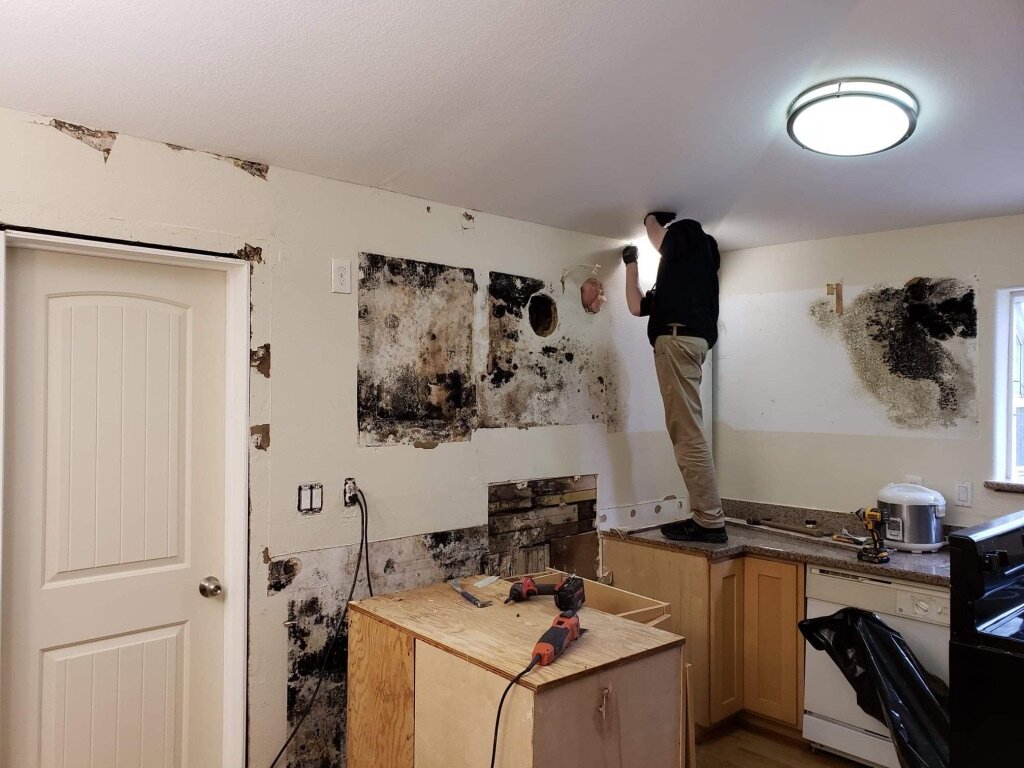
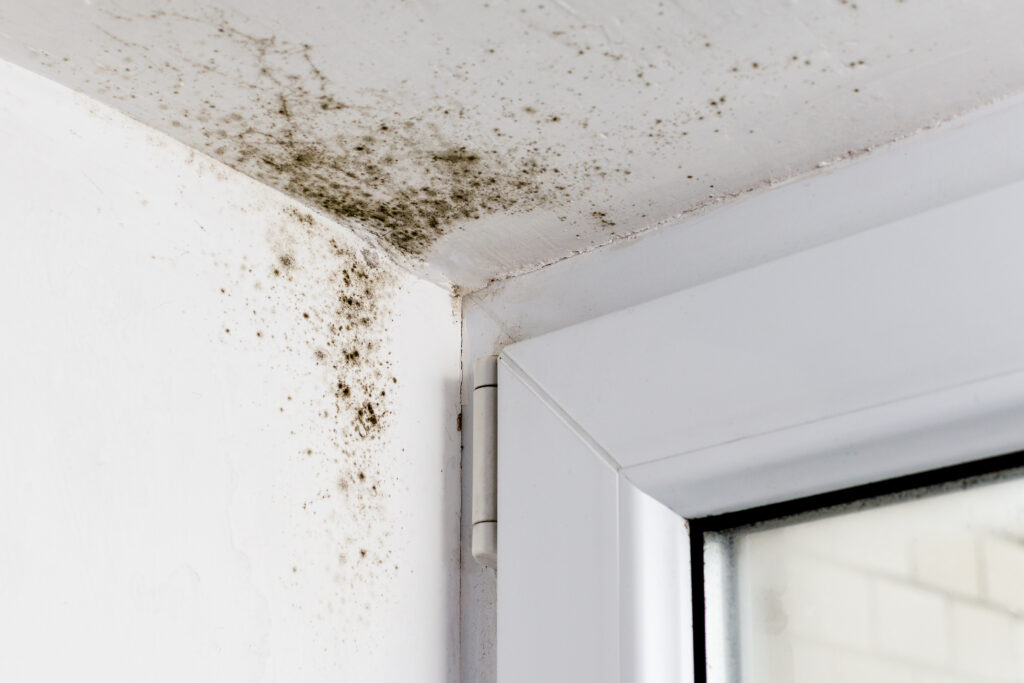
Understanding the signs of attic mold can help you during your spring mold inspection in Portland and Vancouver. Two common indicators include a musty odor and seeing mold on surfaces. Other signs include condensation on metal or wood surfaces, as well as insulation that appears wet or shows noticeable color changes. Look for dark areas on wood that may indicate wet spots. Additionally, check for staining that can signal previous leaks, even if the area is dry. You’ll typically see stains on walls, the floor, or the ceiling.
DIY vs. Professional Attic Mold Remediation
Some homeowners might attempt to fix an attic mold problem on their own once they notice an issue. However, this is a dangerous approach. Mold remediation isn’t a simple task, especially if the problem is widespread. Missing even small areas of mold, especially if they’re hidden, can allow the problem to recur. This is particularly the case if you don’t address the source of the problem, which allows the issue to keep happening.
If you suspect a mold problem in your attic, the best course of action is to call Mold Eaters. Our team has extensive experience handling mold remediation projects of all kinds. We arrive with the proper tools and protective gear, as well as the knowledge of how to handle every job the right way. Our team can also advise how to prevent the problem from happening again. Being proactive is a major way to save yourself from future issues and expensive repair costs. We may recommend an active ventilation system (AVS) to promote airflow if your attic does not already have adequate ventilation.
When Professional Inspections Are Necessary
If you notice any musty odors or damp areas, it’s best to have a professional team assess the situation. This is especially important if it seems like the problem is extensive. Seeing mold is a sign that immediate professional attention is necessary.
Tips for Preventing Attic Moisture Issues
There are several ways to prevent attic moisture issues from happening in your Vancouver or Portland home. For example, you can make sure that your bathroom vents outdoors and not into your attic. It’s also crucial to conduct regular self-inspections and notify us immediately if you think there may be a mold problem. Scheduling annual professional roof inspections is also vital.
Always keep indoor relative humidity between 35% and 50%. If you’re dealing with consistently high indoor humidity, consider installing a whole-home dehumidifier. This is an essential device in an area where rainy conditions lead to mold growth.
It may seem overwhelming to have to handle potential attic mold in your Portland-area home. However, the sooner you address the situation, the less likely it is to worsen. At Mold Eaters, we care about your home and safety. This includes explaining the current situation and how you can prevent future problems.
Call us at Mold Eaters in Vancouver today to schedule an appointment to discuss your mold remediation and attic ventilation options.