

It’s the day you’ve been waiting for. You accept an offer on your home, and an inspection is scheduled. However, you have a worry about a damp corner in your basement and that persistent musty odor in your attic. Both Washington and Oregon homeowners have disclosure laws they must follow when it comes to selling their properties.
While this doesn’t mean an end to your real estate deal, it does mean you need to get on top of the situation. Understanding mold disclosure for Oregon home sellers can help you take appropriate action to ensure a smooth selling process. It can even help you decide if you should get Battle Ground mold service before selling your home.
If you’re selling your house with mold in Oregon or Washington, MoldEaters can help. Contact us to request a pre-listing real estate mold inspection in Vancouver, WA, today.
Oregon Mold Disclosure Requirements
One of the first questions that a lot of homeowners have is, “Do I have to disclose mold when selling a house?” Yes, selling a house with mold in Oregon does require special notation in your seller disclosure according to disclosure law (ORS 105.465). This law states that sellers must include a disclosure that covers all the known material defects, including things like water intrusion, moisture damage, and mold growth.
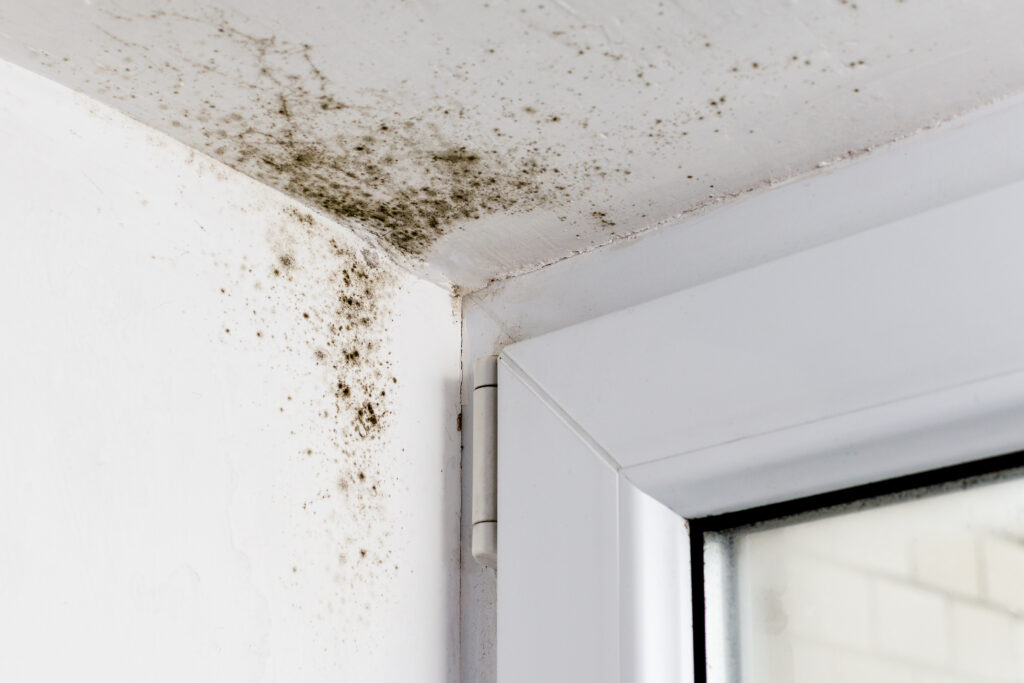
As a home seller, it’s important for you to disclose what you do know about any of these problems. While Oregon law doesn’t require you to test for mold, it does require you to disclose if you know that it’s present. Many homeowners are caught off guard when they notice mold from crawl space moisture, past water damage, or inadequate ventilation in their attic.
Washington Mold Disclosure Requirements
Just like selling a house with mold in Oregon requires disclosure, there are also mold disclosure requirements in Washington state you must follow. More specifically, these are found on the seller disclosure statement, which is Form 17. This requires you to disclose any moisture, water, or mold-related issues you know about.
Regardless of your home’s proximity to Portland, you still must fill out Form 17 when selling your home. It’s important to note that Washington courts do hold home sellers liable if they fail to disclose any known past moisture issues. This holds true even if there isn’t visible mold at the time they’re selling the property.
What Happens if You Don’t Disclose Mold
If you fail to follow mold disclosure requirements in Washington state or Oregon, it comes with post-closing liability. Buyers can easily sue you for non-disclosure of material defects in the home. This is common when there’s mold discovered after closing. Home buyers may sue the seller for the cost of remediation. It’s important as a home seller to understand the cost of litigation versus simply getting remediation services before listing the property.
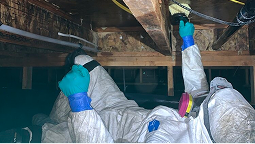
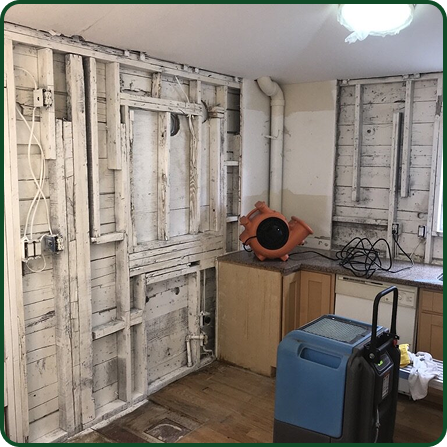
As a home seller, it’s also important to note that many buyers are having inspectors perform mold testing and inspection as part of their standard inspection process. Instead of asking yourself, “Do I have to disclose mold when selling a house?” it can be helpful to take a remediation mindset to properly prep your home for sale. Our team can provide mold removal in La Center before your home goes on the market.
Remediated Mold Still Requires Disclosure – Here’s Why
It’s important to note that, just because you get mold remediation services before listing your home, that doesn’t mean you don’t need to disclose the problem. Both Washington and Oregon require disclosure of past material defects, including the remediation of mold. We actively work with home sellers and real estate attorneys to provide accurate documentation that’s suitable for your disclosure package. This includes a post-remediation verification report that you can provide to the buyer.
How a Pre-Listing Mold Inspection Protects You as a Seller
Getting a real estate mold inspection in Vancouver, WA or Portland, OR, gives you the upper hand when it comes to selling your home. If mold is discovered during the inspection, our team can provide mold removal in Happy Valley before your home goes on the market. This allows you to negotiate from a position of knowledge rather than from surprise. Having a remediation certificate as part of your seller mold disclosure in Oregon or Washington can actually allow you to cash in on a higher home value. Buyers are more likely to pay extra when sellers get an inspection before selling their home in Portland or Washington.
As a home seller, it’s important to know that many real estate agents require a mold inspection before selling homes in Portland and Washington. This pre-listing inspection is increasingly popular for older homes to help identify problems before the sales process. MoldEaters routinely works with real estate professionals in the Portland and Vancouver metro areas.
What MoldEaters Does for Pre-Listing Inspections
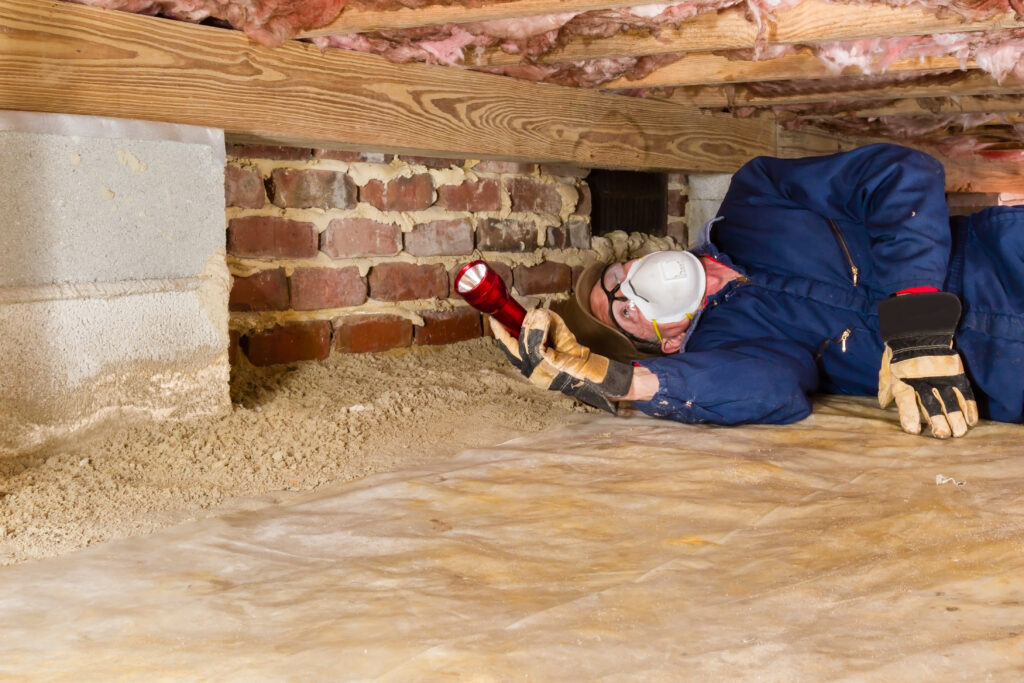
MoldEaters uses an IICRC-certified inspection process when doing a real estate mold inspection in Vancouver, WA or Portland, OR. We provide suitable documentation for seller mold disclosure in both Oregon and Washington. We provide fast turnaround times that can support your listing timeline. We check all areas of your home, including basements, crawl spaces, bathrooms, attics, and any other areas with prior water damage restoration history.
Schedule a Pre-Listing Inspection Before You List
Instead of sitting there asking yourself, “Do I have to disclose mold when selling a home?” it’s best to be proactive on the subject. Scheduling a mold inspection before selling your home in Portland or Vancouver is a great way to minimize post-sale liability. If your inspection uncovers a problem, we also provide mold removal in Vancouver, WA to help prepare your home for sale. MoldEaters provides certified pre-listing inspections throughout Portland, Vancouver, Camas, Battle Ground, Happy Valley, Lake Oswego, Ridgefield, and La Center.
Contact MoldEaters today to get a free consultation for an inspection or full remediation in Oregon or Washington.