

Mold remediation cost is one of the first questions homeowners ask before scheduling service. No single rate fits every property or mold problem. Size, location, access, affected materials, and moisture conditions can all change the cost. Mold Eaters provides IICRC-certified service throughout Portland, OR, and Vancouver, WA.
The most useful starting point is an inspection that shows where mold is growing and why. That assessment helps separate a small, contained problem from a larger project. Mold Eaters offers a free inspection before providing property-specific pricing. This approach gives homeowners clearer information before work begins.
Factors That Affect Mold Remediation Cost
Several details determine how much work a remediation project requires. A small accessible area usually involves less labor than widespread or hidden growth. Location also matters because some spaces require more containment, access work, or material removal. Mold inside an HVAC system can require different controls than surface growth in a room.
- Size of the affected area
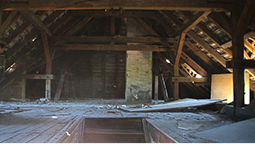
- Attic mold remediation needs
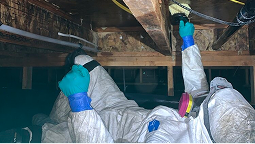
- Crawl space mold remediation needs
- Living-space or HVAC involvement
- Severity and type of growth
- Moisture-source repairs
- Access to affected materials
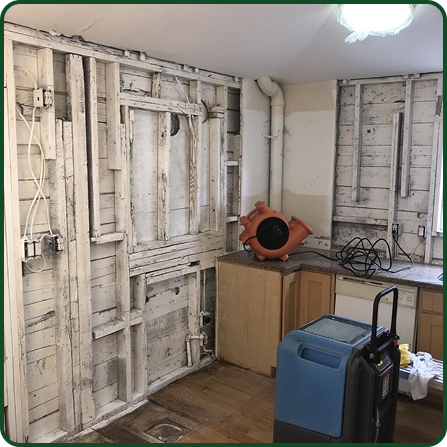
Moisture conditions can also change the project because remediation must address why mold developed. Wet drywall, insulation, or other porous materials may need removal when they cannot be cleaned effectively. The inspection helps define which materials can stay and which need attention.
Why Mold Remediation Cost Varies by Job
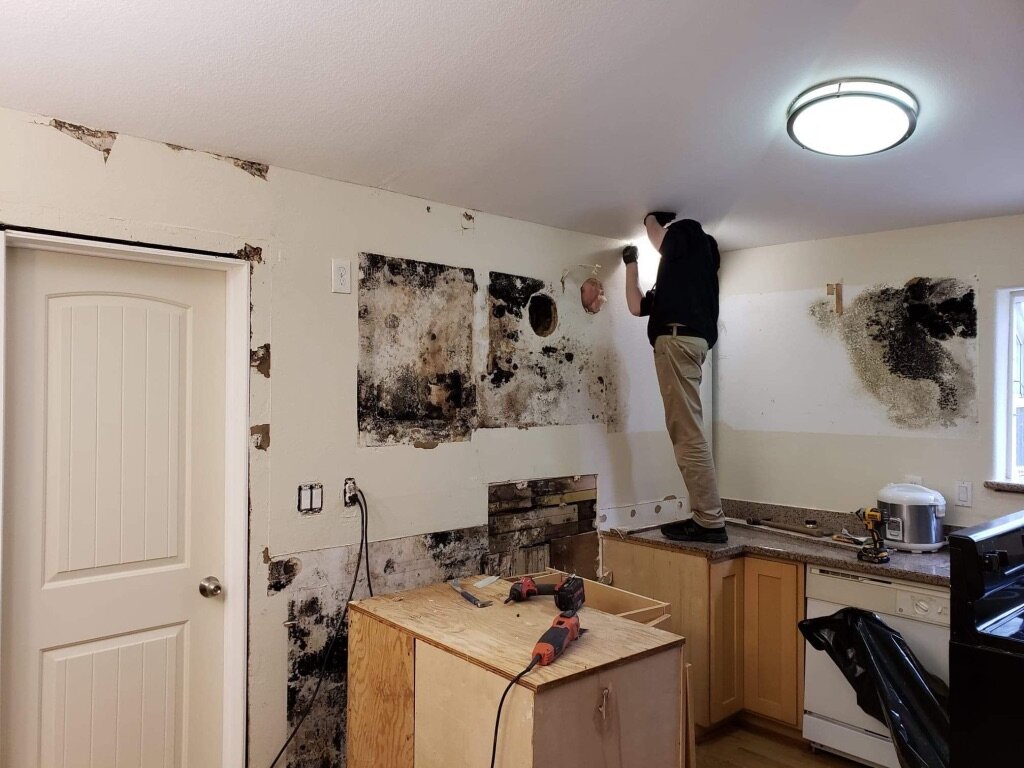
Every property has a different layout, moisture history, and amount of affected material. Those differences make an accurate phone quote difficult before anyone sees the site. An in-person assessment gives the technician enough information to build a realistic scope. Similar-looking areas can require different work when access or materials differ.
Mold Eaters uses the inspection to review visible growth, moisture concerns, access, and affected building materials. That information guides the work plan and the estimate that follows. A free inspection also gives homeowners a chance to ask questions before deciding how to proceed. Pricing can then reflect actual conditions instead of a generic estimate.
Signs You May Need Mold Remediation
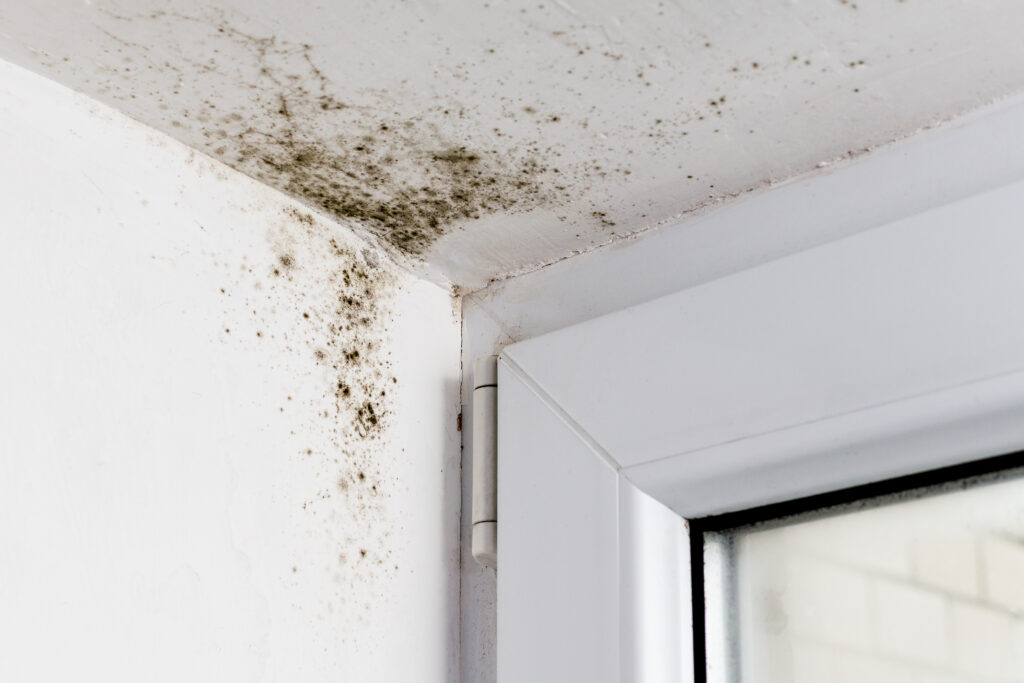
Musty odors, visible discoloration, and past water damage are common reasons to investigate further. You may also notice staining near windows, ceilings, plumbing areas, attics, or crawl spaces. These first signs of mold in a home can help you know when an inspection makes sense.
Some people also notice allergy-like symptoms indoors, although symptoms alone cannot confirm a mold problem. Earlier investigation may limit how far moisture damage or mold growth spreads through materials. That can also help keep the remediation scope from growing. A professional inspection can identify the source instead of relying on appearance or odor alone.
What’s Included in Professional Mold Remediation?
Professional mold remediation starts with assessment and a plan for the affected area. Technicians may establish containment to reduce dust and spore movement during removal. Technicians then clean or remove contaminated materials based on their condition. The moisture source also needs attention so the same conditions do not continue.
Projects may include air scrubbing, surface cleaning, and HEPA cleaning during appropriate stages of the work. Antimicrobial treatment may also be used when it fits the remediation plan. Final cleaning removes remaining dust and debris from the work area. The exact process depends on the location, materials, and extent of contamination.
DIY Mold Removal vs. Professional Remediation
Small surface areas may sometimes be manageable with proper cleanup and moisture control. Larger, hidden, recurring, or water-damage-related growth can require more planning and containment. Cleaning only the visible surface may leave affected porous materials or the moisture source unaddressed.
Disturbing mold without proper controls can also move spores and contaminated dust into nearby areas. Professional remediation adds assessment, containment, material decisions, and controlled cleaning to the process. This approach is especially useful when mold extends beyond an isolated, easily cleaned surface.
Get a Personalized Mold Remediation Estimate
Mold remediation pricing should reflect the actual conditions inside your Portland or Vancouver property. Mold Eaters can inspect the affected areas and explain the recommended scope before providing an estimate.
Contact Mold Eaters to schedule a free mold inspection in Portland, OR, or Vancouver, WA.