

Mold problems are quite common in Portland and throughout the Pacific Northwest. Our rainy, humid climate can create ideal conditions for indoor mold growth, especially in older homes that lack sufficient ventilation. Early detection of mold issues in your home is essential to avoid property damage and the health risks that can result from breathing toxic mold spores.
What Does Mold Smell Like?
Mold often begins growing in hidden places, meaning you’ll usually start to smell it before you see any visible signs. All mold colonies emit a distinct odor, but the specific smell can vary by species. Most commonly, mold produces a damp, musty, or earthy smell like wet soil or rotting leaves. Some people also find the smell to be somewhat similar to old books or dirty socks. In other cases, mold smells more sour or pungent, somewhat like sweat or bad milk. Certain types of molds, such as Stachybotrys (aka toxic black mold), can produce an odor that resembles that of rotting meat.
Common Places Mold Smells Emerge
Mold thrives in warm, moist environments. That means that parts of a home that are frequently damp or humid, such as the bathroom, laundry room, basement, or crawl space, are the most prone to mold issues. Attics can also develop mold issues due to roof leaks or high humidity that result from insufficient roof ventilation. Plumbing leaks are a common cause of hidden mold growth behind walls, meaning you may suddenly notice a moldy smell near any of your plumbing fixtures. HVAC systems can also develop mold issues, especially during the warmer months when the AC runs frequently. In this case, you’ll usually notice a distinct musty mold odor coming out of your vents when your HVAC system is on.
Why Early Detection Is Crucial
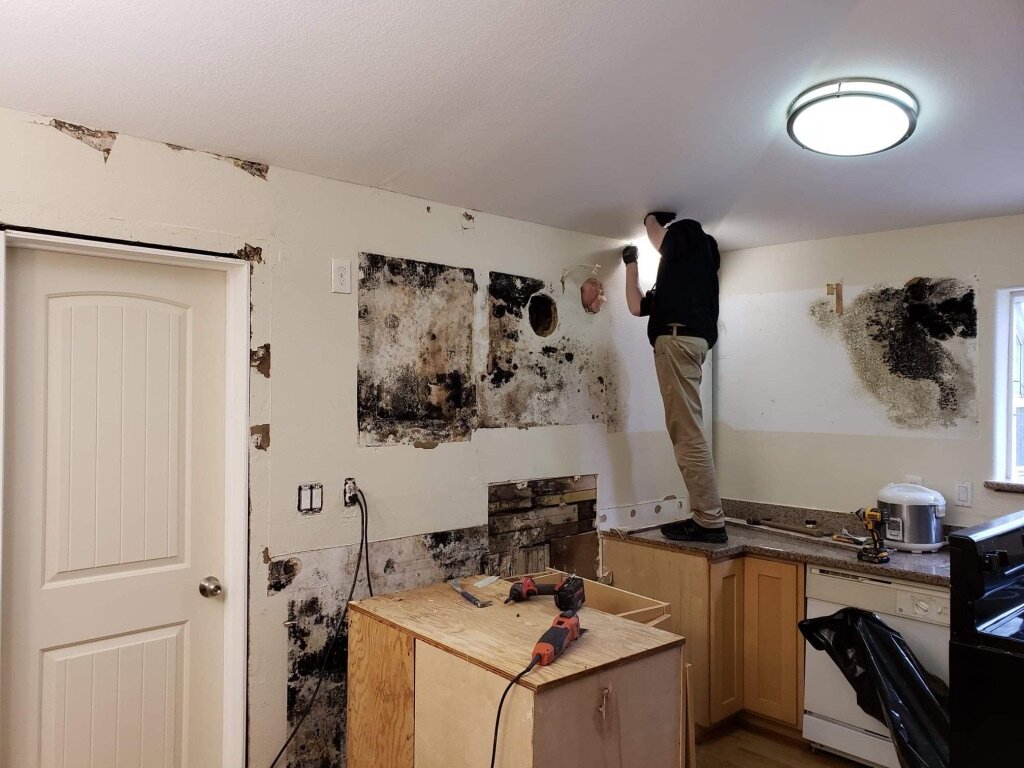
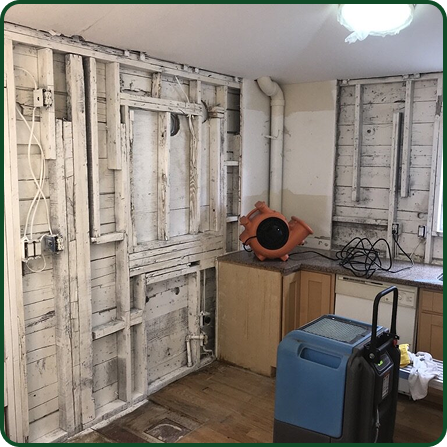
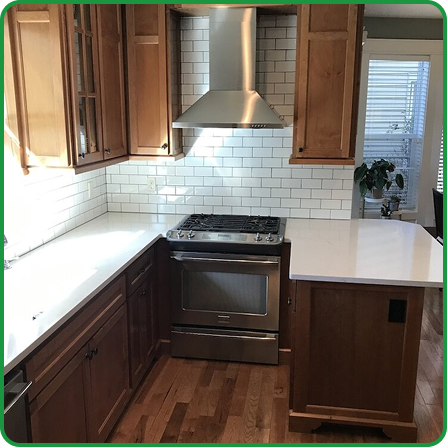
Early mold detection is essential for avoiding major problems and a full-blown infestation. A major mold infestation can do significant damage that often requires replacing infested sheetrock, insulation, carpeting, and furnishings. In some cases, you could be looking at spending thousands for professional mold remediation to repair the damage and replace your furnishings.
Indoor mold growth is also a major concern in terms of indoor air quality. Breathing in mold spores is especially problematic for people with allergies, asthma, and other respiratory issues. Even people who are otherwise healthy can experience headaches, itchy eyes, and sinus irritation when mold is present in a building.
DIY Tips vs. When to Call a Professional
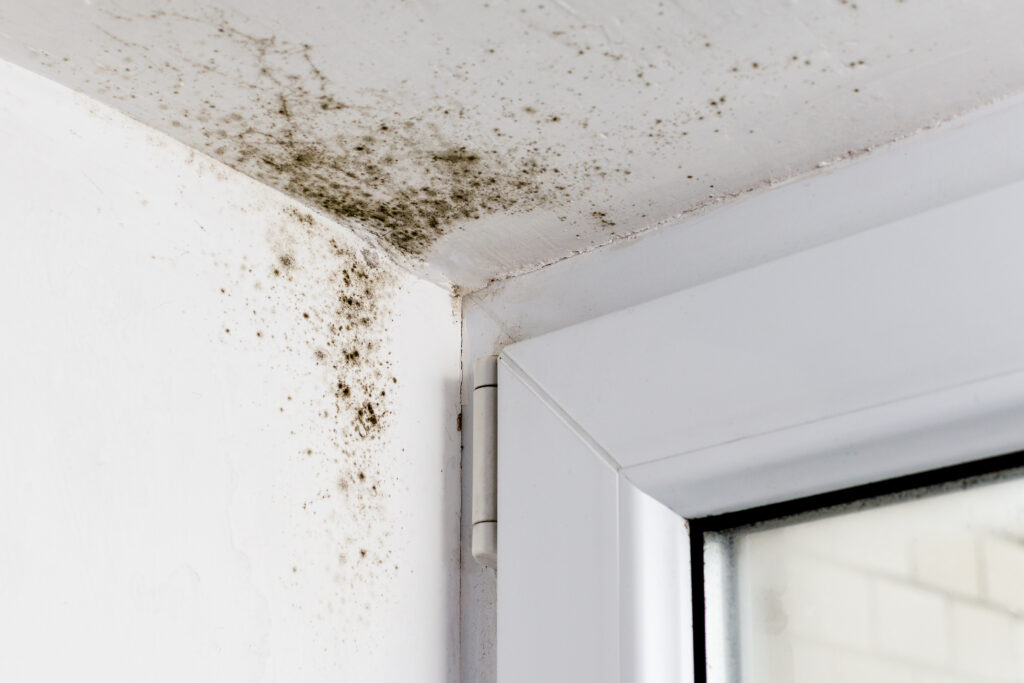
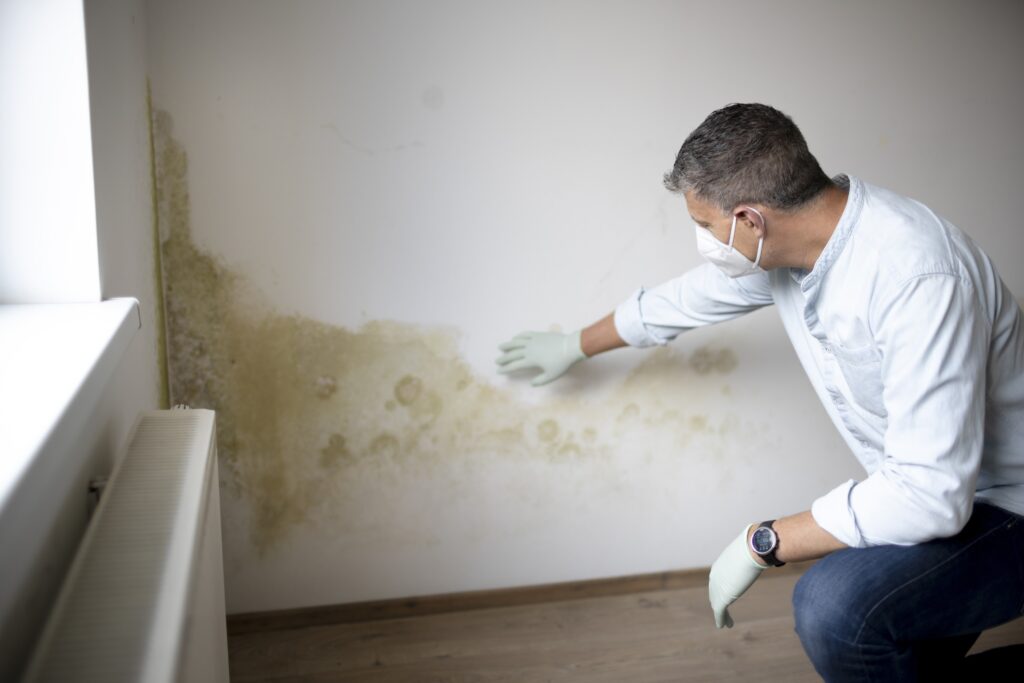
Watching for signs of hidden mold is essential to detect any problems early, before the mold spreads. The best way to determine whether mold is present is to regularly inspect the most mold-prone parts of your house for musty odors and visible mold growth on walls, ceilings, floors, books, cardboard boxes, etc. A musty smell in the house is usually an obvious sign of mold. You should be able to pinpoint the location of any mold growth fairly accurately by checking to see where the smell is strongest.
If you see any visible signs or suspect mold may be present, it’s always best to immediately call a professional. Trying to combat mold growth on your own can be nearly impossible. Even if you think you’ve fully sanitized the affected area to kill all the mold, the problem will often return. If you don’t take the proper precautions to seal off the area, you can make things even worse by stirring up more spores and leading to mold spreading to other places.
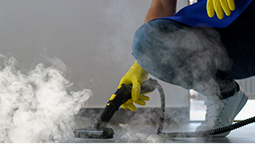
At MoldEaters, we have more than 20 years of specialized experience in professional mold removal and mold inspection services. Our IICRC-certified technicians are highly adept at using both air testing and surface testing to identify hidden mold growth. We can accurately pinpoint the moisture source that led to mold growing, whether it’s a plumbing leak, roof leak, condensation, high humidity, or whatever else. We’ll then develop a detailed plan to eliminate the mold and prevent it from returning. This includes tackling the source of moisture, isolating the affected areas to contain airborne spores, decontaminating and disinfecting them to kill the mold, and cleaning the air to capture as many spores as possible. Once we’ve finished the remediation, we’ll perform another mold inspection and test to ensure the problem is gone.
Call MoldEaters Today for Mold Remediation Services
At MoldEaters, we’re proud to have a reputation as the Greater Portland area’s premier mold-remediation company. If you notice musty odors or any other signs of mold in your home or business, you can count on us to properly identify and tackle the problem.
Don’t wait until your mold problems get worse. Contact us today for prompt, expert service.